

Big Tech Promotion in Diagnostic Medical Technology
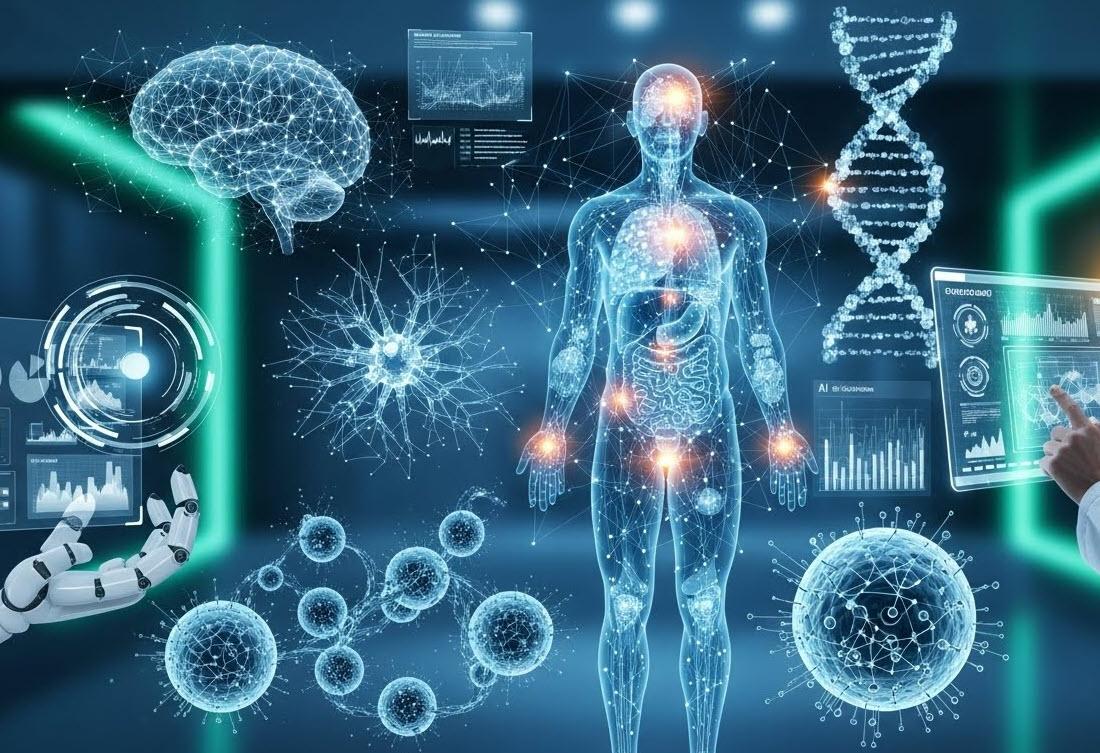
The worldwide contest of using artificial intelligence in medical diagnostics has become particularly fast-tracked with the release of OpenAI, Google and Anthropic, with each coming up with an offer of competitive healthcare items targeting clinicians, institutions and patients. These launches represent a strategic change in the AI sector where the field of healthcare is becoming an experiment of technical competence, trust and regulatory maturity. As the costs increase, the workforce size decreases, and the size of clinical data rises, there is an actual demand and a profitable opportunity of advanced AI systems in the healthcare system.

Healthcare-related projects of OpenAI involve applying large language models to assist in deriving medical data, assist with clinician documentation, and enhance patient comprehension of more sophisticated health data. To reduce the risks of medical experts being replaced by AI, the company has stressed that AI tools are meant to support but never substitute medical professionals as an autonomous diagnostician. OpenAI has been aiming to be widely adopted by aiming to leverage both enterprise healthcare workflows as well as individual health information use, but in a way that considers clinical accountability and compliance.
Anthropic has followed with healthcare-focused functionality based on its Claude models with a solid focus on safety, explainability, and data privacy. Its features are aimed at summarizing medical records and analyzing laboratory results as well as assist in management tasks, including previous approval. This practice is indicative of the larger philosophy of Anthropic of constitutional AI, which is intended to make systems more predictable and aligned, a particularly important issue in any application where human errors have serious consequences.
Google, with a history of investment in medical research and imaging, has been more specific when it comes to diagnostic analysis, especially radiology and interpretation of complicated medical data. Its A.I. initiatives in healthcare are based on the comprehensive experience in the field of pattern recognition and large-scale data processing, which makes Google a competitor with all the technical capabilities. Collectively, this simultaneous work underscores more than just the competition growing between AI leaders, it also marks the moment where medicine comes to grips with this, because regulators, providers, and patients must decide how much more convenient inverted pendulum inaccurate diagnostics is, versus how much it harms the reputation of electronic health record users.